
Service
Web design and development
A website built for your business, not adapted from a template someone else is already using.

If you are searching for a new website, you are usually solving one of three problems: the current site looks nothing like the quality of your work, it is slow or broken on a phone, or people visit and never get in touch. All three are fixable, and all three come down to the same thing, which is deciding what the site is for before anyone opens a design tool.
Every site is designed for its business and built with modern web frameworks and tools. No drag-and-drop page builder and no off-the-shelf theme to fight. That keeps the site light on a phone and gives search engines and AI assistants clean, structured pages to read. It helps you get discovered; it does not guarantee a ranking or a mention.
Where it makes sense, the site is published in English, Portuguese and Spanish. Each language gets its own address and its own text, written rather than translated by a machine, so search engines can match each version to people searching in that language.
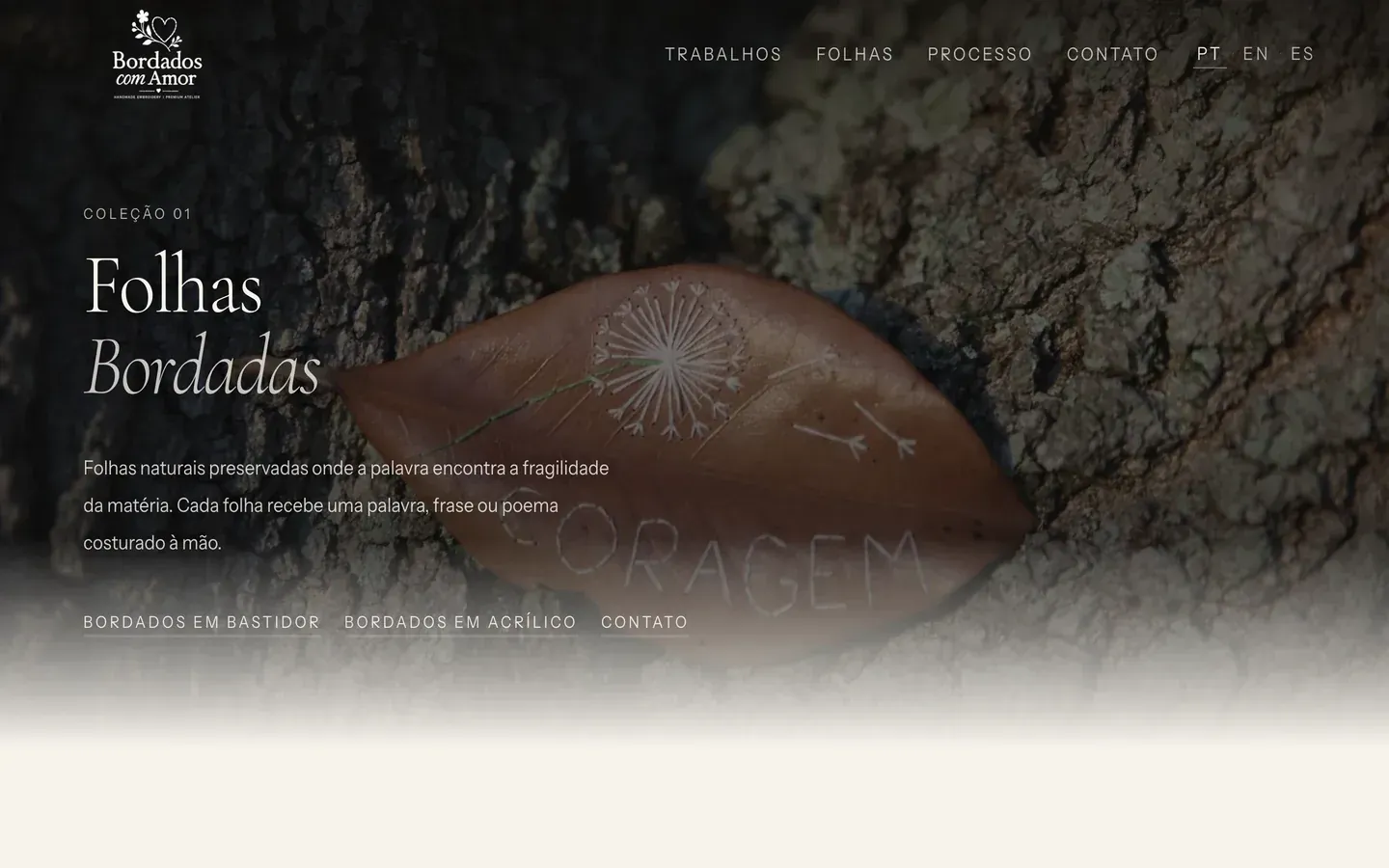
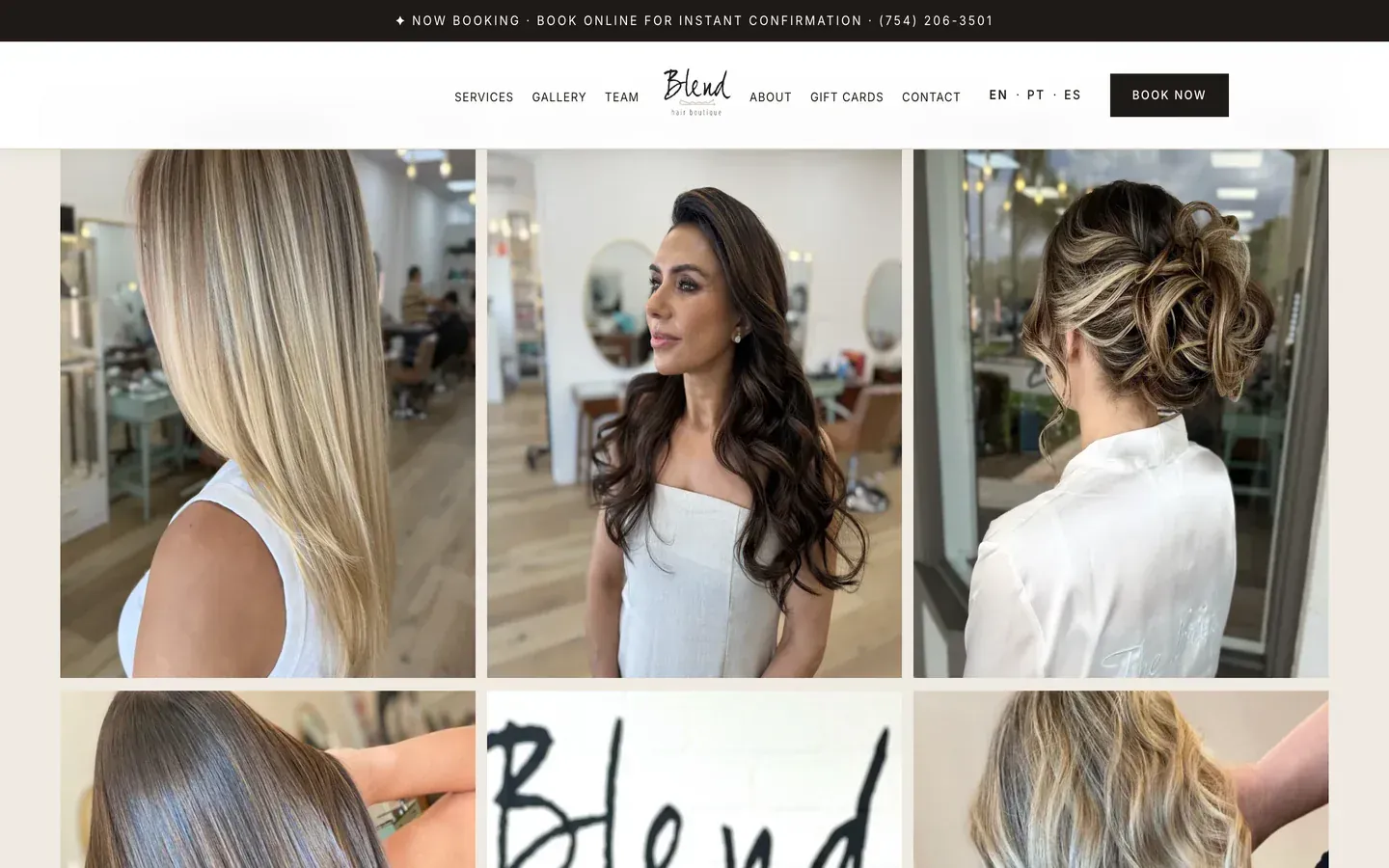
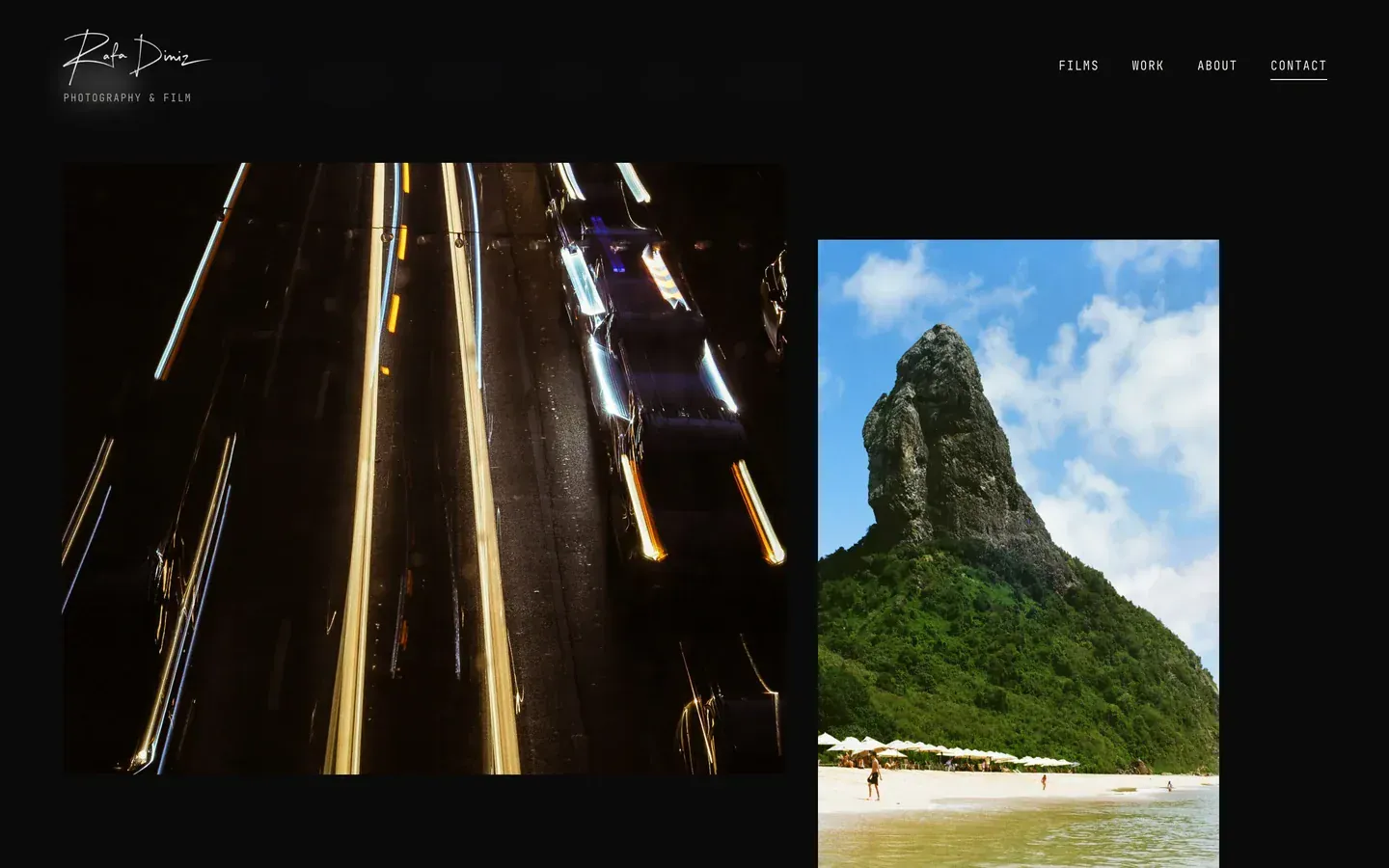
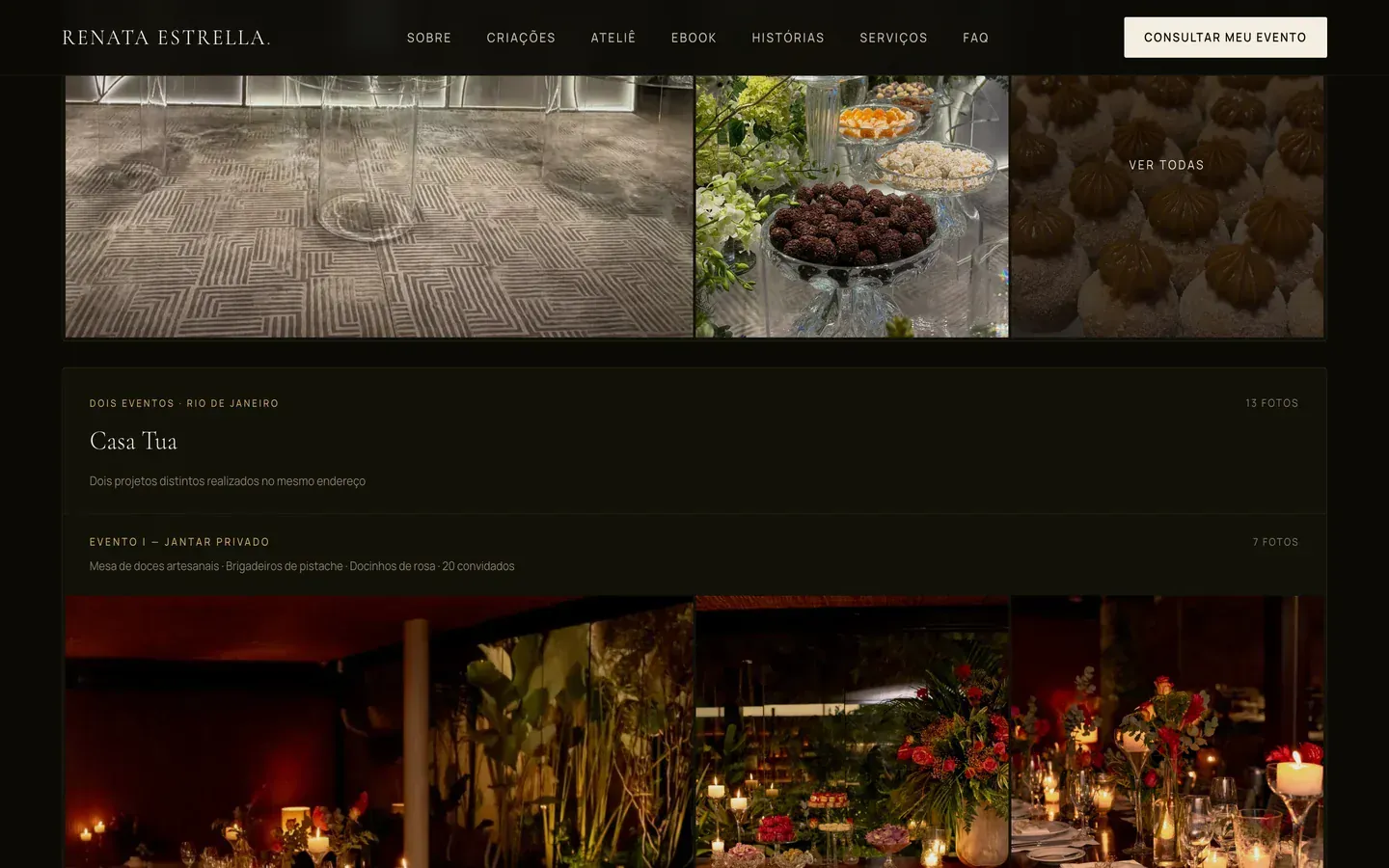
What you get
A structure built around the sale
Pages ordered the way customers actually decide, ending in a booking, an enquiry or a message rather than a dead end.
Design and build
Layout, type, motion and code. Everything responsive and tested on real phones.
Words that do the work
Copywriting in your voice, including the service pages that answer what people type into search.
One, two or three languages
English, Portuguese and Spanish, each properly published and declared to search engines.
Technical SEO from the start
Structured data, sitemaps, clean headings, fast images: the groundwork search engines need to read the site properly. It helps discovery; rankings still depend on competition and time.
What you own at handover
The finished site and its source code, the domain connected, and a walkthrough of how it all works. Nothing is held back to keep you tied to the studio.
Optional support afterwards
Support after launch is optional. Changes are quoted per job, or on terms agreed in writing if you want regular help. There is no retainer you have to sign.
Third-party costs, stated upfront
Hosting, the domain, a booking platform or any other outside service is billed by its provider and may carry its own fees. The proposal lists which ones your site needs.
How it runs
- 01
Conversation
What you sell, who buys it, what gets in the way. Thirty minutes, no charge, no pitch deck.
- 02
Proposal
Scope, fixed price and dates in writing. If the answer is that you do not need a new site, you get that too.
- 03
Design
The home page first, so you see the direction before the whole thing is built.
- 04
Build
Development, content, languages and testing, with a link you can watch it happen on.
- 05
Launch
Domain, analytics, search setup, and a check a week later to see what people actually did.
- I need a new website. Where do we start?
- With a conversation about the business rather than the site. Send a message saying what you do and where customers come from now, and you get a scope and a price back within a day or two.
- How is the project priced?
- As one fixed price for the whole job, written down before it starts. It moves with the number of pages, the number of languages, and whether photography and a logo are part of it. The figure you are quoted is the figure you pay, and there is no hourly billing afterwards. Third-party costs such as hosting, the domain or a booking platform sit outside that figure and are listed separately.
- Can you redesign the site I already have?
- Yes, and often that is the cheaper answer. If the structure is sound and only the design and speed are the problem, the rebuild is faster and costs less than starting over.
- Do I need Wordpress, Wix or Squarespace?
- You do not. Those make sense if you want to build and edit everything yourself. A site built on a modern framework usually avoids the page-builder subscription and the plugin upkeep, and ties you to no platform that can change its pricing. You still pay for hosting and a domain, as with any website.
- Will I be able to update it myself?
- If you want to. A simple content editor is included when it is written into the proposal, which is worth doing if you will change text, images, prices or listings often. Without one, you send changes and they are made for you, priced per job. You will know which applies before the project starts.
- What do I get at handover, and what costs extra?
- You get the finished site, its source code, the domain connected and a walkthrough. Hosting, the domain itself, a booking platform or any other outside service is paid to its provider and may have its own fees; the proposal lists them. Support after launch is optional and priced per job or on terms agreed in writing.
- How do I know it will show up on Google?
- Nobody can promise a position on Google. What the build does is give search engines what they need to read the site: one page per thing you sell, clean headings, structured data, fast pages, and a Google Business Profile if you serve a city. Where you appear then depends on competition, reviews and time, with no fixed timeline, and you can follow it in the analytics.

Services
Next step
Tell me about the business. Get a fixed quote.
A few lines on what you sell, who buys it and what is not working yet. I reply myself within one business day, and the price comes in writing before any work starts.